
The U.S. Treasury has once again designated South Korea as a 'currency monitoring target' that requires close attention to its monetary and macroeconomic policies.
On the 29th (local time), the U.S. Treasury included South Korea among 10 countries in its 'Semiannual Report on Macroeconomic and Foreign Exchange Policies of Major Trading Partners (July 2024 - June 2025)' submitted to Congress. The targeted countries include South Korea, Japan, China, Singapore, Taiwan, Thailand, Vietnam, Germany, Ireland, and Switzerland. Compared to the report from June last year, Thailand has been newly added.
South Korea was removed from the currency monitoring target list in November 2023, after being on it for over seven years since April 2016, but was included again in the list last November, just before the second term of the Trump administration began. Following the report from June last year, it has maintained its status as a monitoring target this time as well.
Even if designated as a currency monitoring target, the U.S. does not impose immediate sanctions or disadvantages. This system is intended to check whether countries artificially intervene in the foreign exchange market to enhance their export competitiveness, and it does not prohibit normal measures for market stability.
The U.S. evaluates the macroeconomic and exchange rate policies of the top 20 countries with significant trade volume under the Trade Promotion Act enacted in 2015. The evaluation criteria are: △ a trade surplus with the U.S. of over $15 billion △ a current account surplus exceeding 3% of GDP △ net purchases of dollars for at least 8 months out of 12 months, with the net purchase amount exceeding 2% of GDP. If two of these criteria are met, the country is designated as a monitoring target; if all three apply, it is designated as a country for in-depth analysis.
In this evaluation, South Korea was found to meet the criteria for trade surplus with the U.S. and current account surplus. According to the report, South Korea's trade surplus with the U.S. during the period was $52 billion, and the current account surplus was about 5.9% of GDP. There were no countries designated for in-depth analysis in this report.
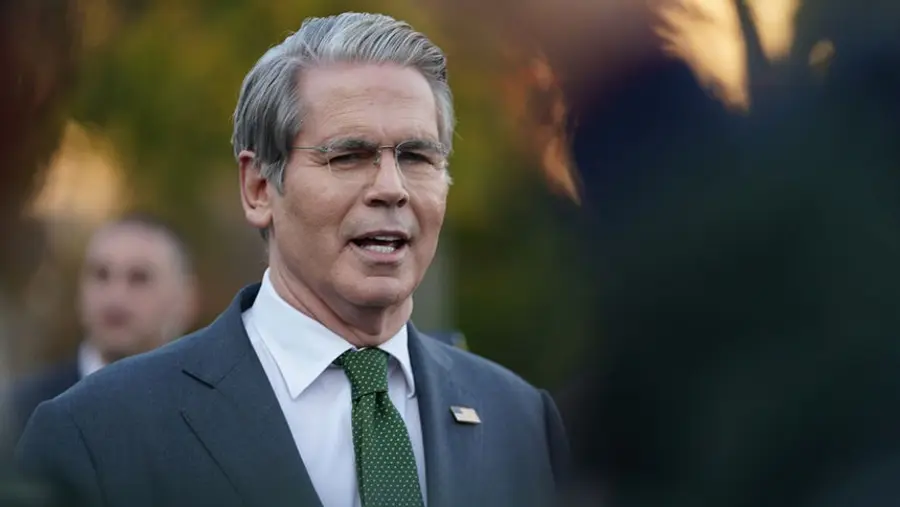
Scott Basset, U.S. Treasury Secretary, stated, "The Treasury is closely monitoring whether trading partners manipulate their currencies through foreign exchange interventions or non-market practices to gain unfair competitive advantages." He also added, "We are strengthening our analysis of the monetary policies and practices of major trading partners to support President Trump's 'America First Trade Policy.'"
댓글 (0)
댓글 작성
댓글을 작성하려면 로그인이 필요합니다.
로그인하기